

Seasonal Care
How to Protect Your Car From Nashville Winter Road Salt
Middle Tennessee treats its roads before every winter storm. Here is what that does to your vehicle and how to get ahead of it.
What to do about it
Middle Tennessee roads get pre-treated with brine before winter weather, and that residue clings to wheels, lower panels and the undercarriage. The fix is unglamorous: put real protection on the paint before winter, then rinse the vehicle regularly through it. Salt damage comes from residue left sitting, not from a single drive.
Nashville does not get Midwest winters, which is exactly why road treatment catches people off guard here. We get a handful of storms and a lot of pre-treatment, so vehicles pick up brine and grime repeatedly over a few months without owners ever thinking of it as "salt season."
Where Winter Actually Attacks
01
Lower panels and rockers
Spray from your own tires and the vehicle ahead coats the bottom third of the car with a film that holds moisture against the paint.
02
Wheels and brake components
Wheels take the worst of it. Brine plus brake dust is corrosive and stains finishes if it is left through the season.
03
Undercarriage
The part nobody looks at, and where corrosion actually starts. Rinsing underneath matters more than a shiny hood.
04
Interior carpets and mats
Salt tracked in on shoes crystallizes into white stains on carpet and floor mats and needs extraction, not just vacuuming.
The real mechanism
Salt does not eat paint on contact. It attracts and holds moisture against surfaces, and that prolonged wetness is what corrodes metal and etches finishes. Removing the residue removes the problem.
Protection applied before winter makes every wash after it more effective
Before Winter: Protect
A protected surface gives road film less to bond to. Our Signature and Special packages include clay bar decontamination and a ceramic sealant rated for six to twelve months — which conveniently covers an entire Tennessee winter. If you want protection measured in years, a ceramic coating is the stronger answer, and installing it before the season starts makes the winter maintenance far easier.
Late fall is also the sensible time for paint correction if the finish needs it, since you want protection sealing corrected paint rather than sealing a season of grime.
Before the first treated week
Decontamination plus a sealant or coating now saves you fighting bonded road film in February.
During Winter: Rinse Often
The habit matters more than the product. After a stretch of driving on treated roads, get the residue off — especially wheels, lower panels and underneath. A premium hand wash is built for exactly this: keeping a protected vehicle clean between fuller details without adding wash damage.
Do not do this
Avoid brush-style automatic washes as a winter shortcut. They rinse the salt off and grind grit into your clear coat at the same time, which is how a winter of "convenience" turns into a spring of swirl marks.
Also avoid wiping a dry, dusty car with a towel to make it presentable. Dry contact on gritty paint is one of the most reliable ways to scratch it.
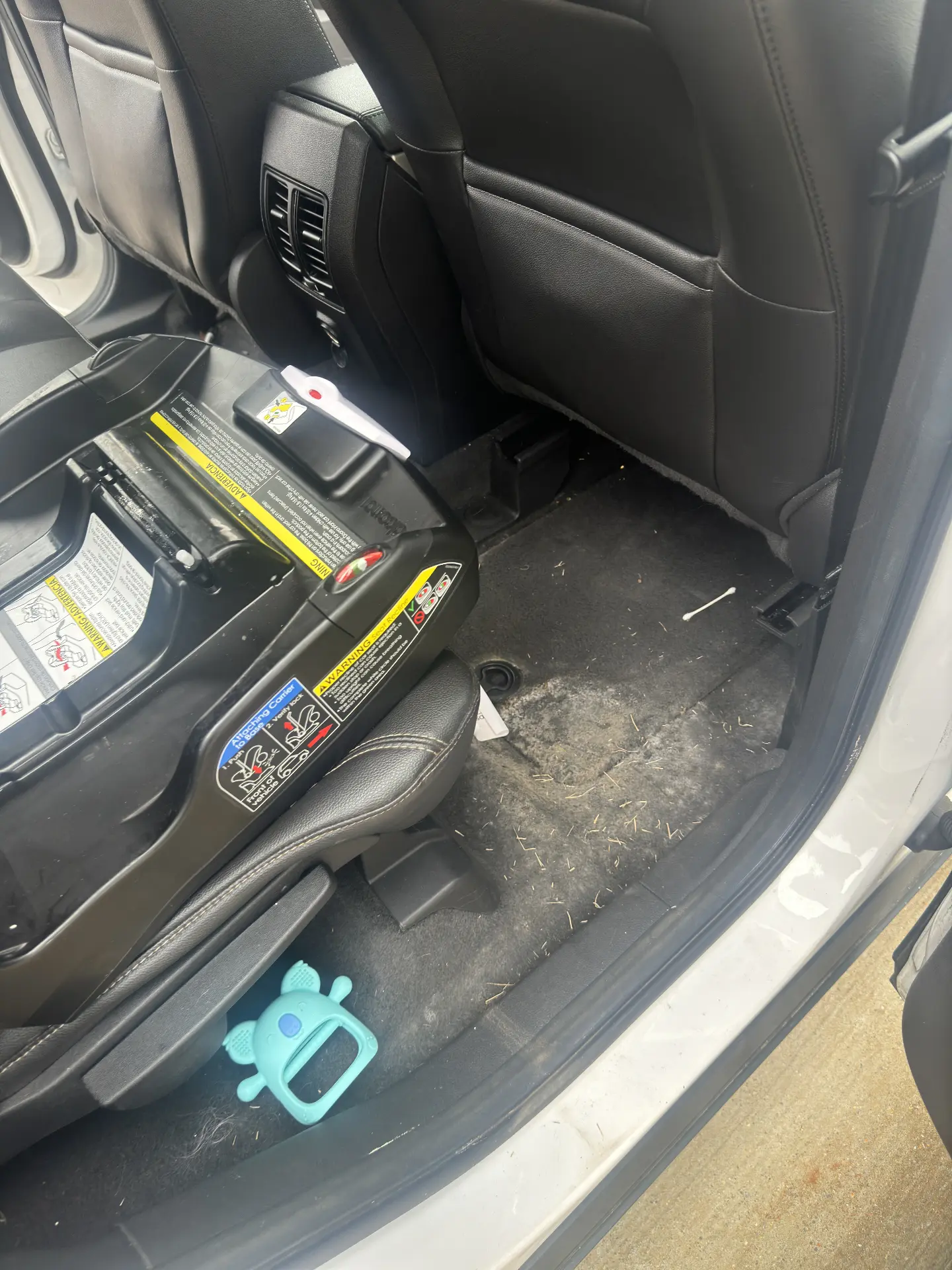
Salt stains on carpet need extraction, not vacuuming
After Winter: Reset
When the treated roads stop, a full reset is worth it — decontamination outside, and interior detailing with shampoo and heated extraction to pull salt out of carpets and mats before it sets permanently. That is also the natural moment to renew protection ahead of pollen season.
We come to you, in season
Our units carry water and power, so winter service happens at your home or office. We plan around conditions and let you know if a date needs to shift.
Small habit, big payoff
Knock salt off your shoes before getting in. Most winter carpet staining walks in rather than blowing in.
Related services
Common questions
Winter Care FAQs
Does Nashville really use enough road salt to matter?
Middle Tennessee crews pre-treat roads and bridges with brine ahead of winter weather, and that residue sticks to lower panels, wheels and the undercarriage long after the roads are dry.
How often should I wash my car in winter?
More often than the weather makes you want to. Rinsing off brine and road film after treated-road driving is the single most effective thing you can do, and a maintenance wash keeps that from being a chore.
Should I get a coating before winter?
It helps. A ceramic coating or ceramic sealant makes road film release more easily, so winter washes remove more with less contact.
Can you detail in cold weather?
We work year-round and plan appointments around conditions. Some services need specific temperature and surface conditions, and we'll tell you if a date needs to move.
Get Ahead of Winter
Protection applied before the first treated-road week does more than any wash afterward.
Starting prices vary by vehicle size, service selected and vehicle condition.